
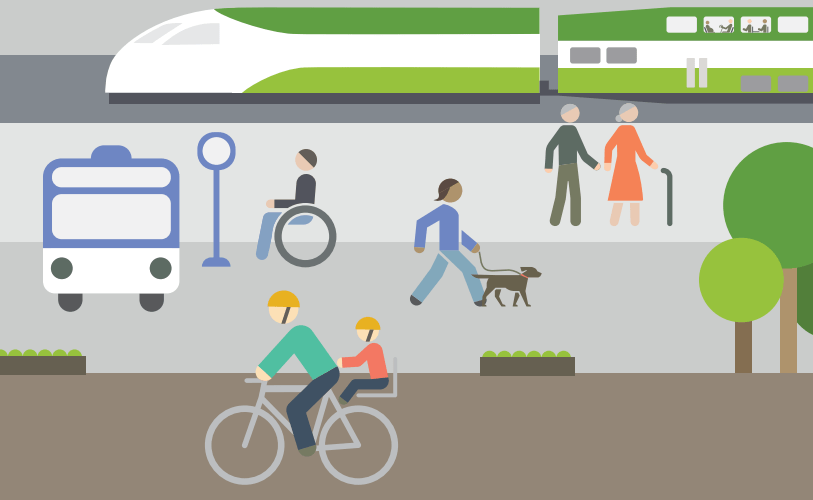
Active transportation is woven into the community fabric of day to day life. It plays a role in how you get to work or school, where you shop, how you move, where you live. The challenge of transportation funding at the federal, state and even local level is its very restrictive governing rules that limit its uses to constructing, maintaining and operating transit and transportation infrastructure. And limitations on spending among the various funding types is also very restrictive with few funds available for maintenance of local streets. But transportation does not exist in a vacuum, and transportation improvements often lead to unintended consequences that also need to be addressed, ranging from the environmental impacts of widening a freeway on the surrounding neighborhoods to the displacement of transit dependent residents as property value increases ultimately price renters out. Dozens of funding sources currently exist to fund active transportation, and the good news is that more flexible sources have become available to address not just active transportation, but also affordable housing, health and environmental concerns.
 Sumire Gant Consulting